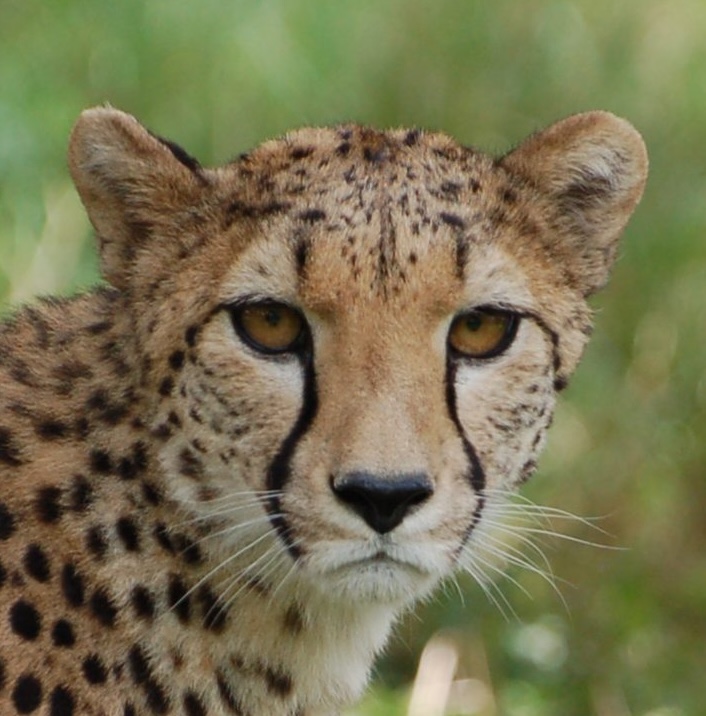
Connection between tear marks of cheetah and Quran and Turkish word for crying. And some other various linguistic connections, at least partially, result of efforts of various infidels throughout the history.
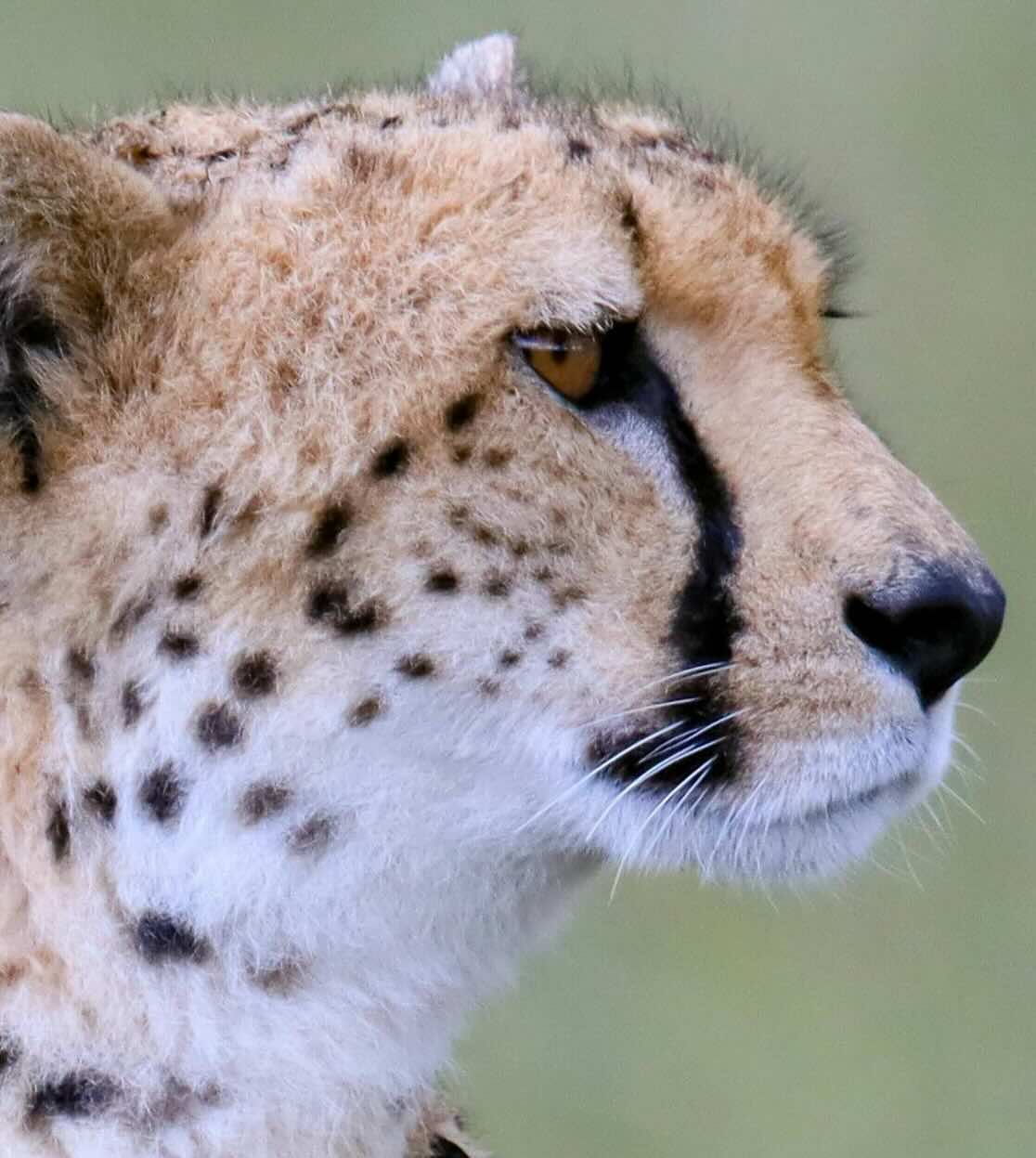
It is over tear marks of cheetah. They resemble original Alpha letter and Arabic definite article. When lines extending from sides of eyes vauge or gone it can be interpreted to kufic Eliph letter. When the lines extending to sides are there each eye with lines resembles phoenician Aleph letter (𐤀).
The real point is that the word for crying in Turkish is “Ağ+la+mak” derives from ‘Ağ’. Phonetically similar to ‘AA’. [#1]
(As example ‘El+le+mek’ means to touch. “El” means hand. ‘le’ means with. you can ignore ‘’mek", it is like -ing.)
In Turkish ‘Ağ’ also means web or fishnet. Also it is exclamation for to surprise. (Jesus Christ is also an exclamation for surprise.)
Jesus Christ actually sounds like ‘Çiğsiz Cries’ or ‘Çığsız Cries’. This may seem absurd but ‘Çığsız’ means without noise and ‘Çiğsiz’ means without moisture. Tear Marks ^^. Cries without moisture nor sound. (Example)
(This pronounciation may be the case only for English but also the word Christ considered to mean something like anointed. Like marked. The underlying meaning of "cheetah" is also similar. Obviously there may be some coincidences.)
Al+Parslan is Turkish word for cheetah. "Pars" already used for anotolian leopard. It is possibly originally constructed as "Alı + Bars". "Alı" means With A. When pronounced it turns to Alpars+lan. (It seems like “lan” refers to tail. Because the animals called name + ‘lan’ has tails with obstacle or different color pattern at the end. This I think proves it was named by someone like Jesus. In case of the snake, “Yılan”, probably the head connected to rest. Crazy but “Y” letter just looks like the mouth of the snake. ("ı" in between is result of ‘Y’ + ‘Lan’). 'Ye' means eat. Snake is the most important symbols of early Christianity. It is obviously intentional because it was the artifact of the Jesus. Tiger: “Kaplan”, Lion: "Aslan". You see a single object but a baby see two objects connected to each other. Snake also seems like intentionally named. “S” also plural suffix. In persian "lan" is plural or collective suffix in some dialects according to chatGPT. He and his tail. “Lan” also used as suffix to connect consequent events in Turkish. It has a meaning like “With something”. He and Tip of His Tail)
Connection over tear marks also hinted in the Quran. But not necessarily result of the meaning of the underlying text. Well, this one is very complicated.
Obviously Order of Assassins very likely contributed to this. It is also possible one or few Roman Emperor were involved in some part of this. Especially in that case scale was probably much wider even if somethings faded over the time.
Additionally, cheetahs are naturally exceptionally friendly toward humans. And fastest animal. More importantly humans are only animals that shed tears for emotional reasons. Other animals may lubricate their eyes but don’t shed tear for other reasons. (Humans also has excessive tear glands.)
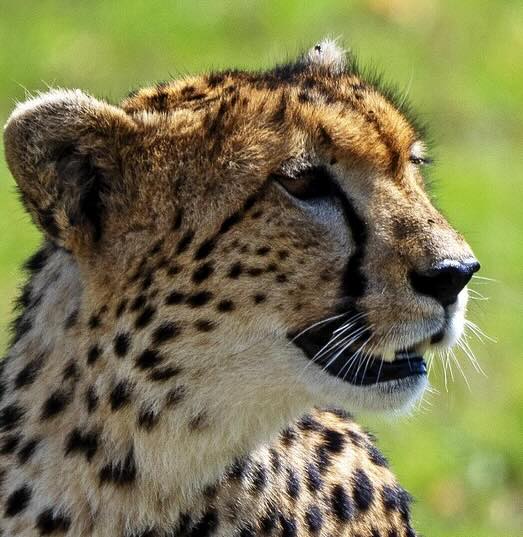
Turkish word for mouth is “ağız”. “z” seems to correspond transitiveness. "sen": singular you, “siz”: plural you. “Geliyor”: He is coming. “Geliyoruz”: We are coming. And there is actually an Arabic letter called Ye that resembles cheetahs mouth. This letter also is the last letter of the word interpreted as Jesus in Quran. Also in Ottaman the tax taken from non-Muslims was called Jizye. It is possible that the word for Jesus in Quran pronounced according to correct pronounciation of the word for Jesus from Quran in European languages. (Not that I know this word is really name of the Jesus. Or the context is accurate. Or there was even Jesus at all. It may be general name for such figures rather than a specific one.)
(Also English word "weep" is similar to "web". “Crypt” starts with “Cry”.)
(In persian cheetahs called "yuz+palang" (maybe even directly "yuz"). palang is generic term for leopard. “yüz” means face in Turkish)
(Modern Turkish name Ay+Bars also may be a historical name for cheetah.)
(Tear marks, after going down to mouth extends to sides. Example video. There are more clear pictures here.)
(The word for gold is “altın” in Turkish. Meaning of “tın” is very similar to tone. “Al+tın”.)
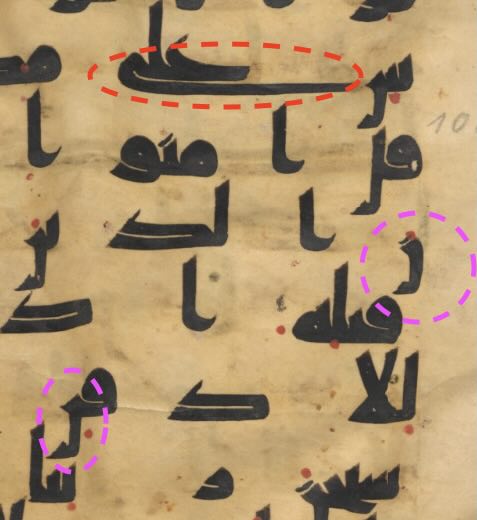
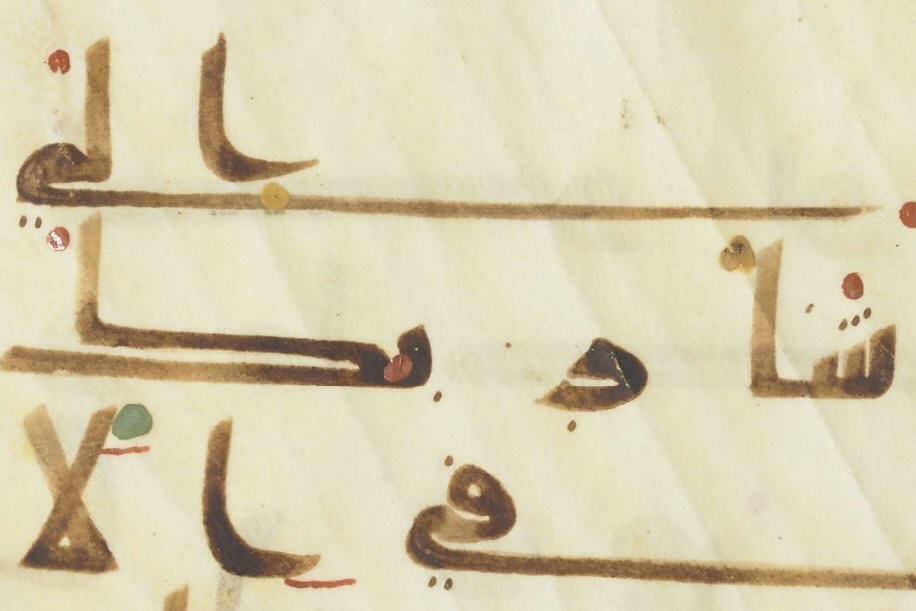
(Arabic Nun letter in kufic texts actually looks exactly same as the tear mark in the second picture. This is a isolated or final leter. There is no isolated letter that looks like “⅃”. But the one that looks like “L” is most common isolated letter. This looks like right tear mark. And the Nun letter looks like left. There is one more letter clearly linked. Kef Letter ‘ك’. The link is more apperant on hijazi script for this one.)
(It seems very likely that aliens have had genetically modified cheetahs in past. Maybe around inception of Quran. To adjust tear marks to new alphabet. Or obviously there may be alternative explanations.)
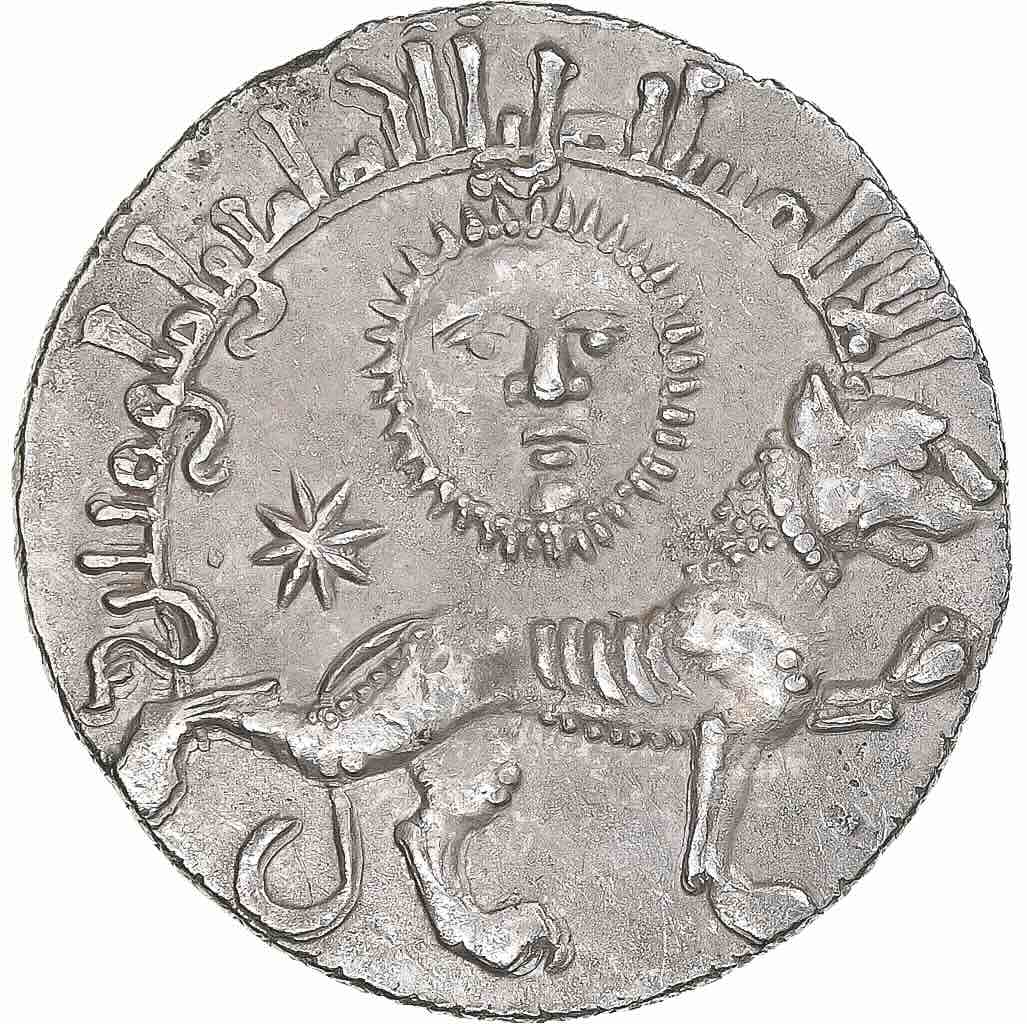
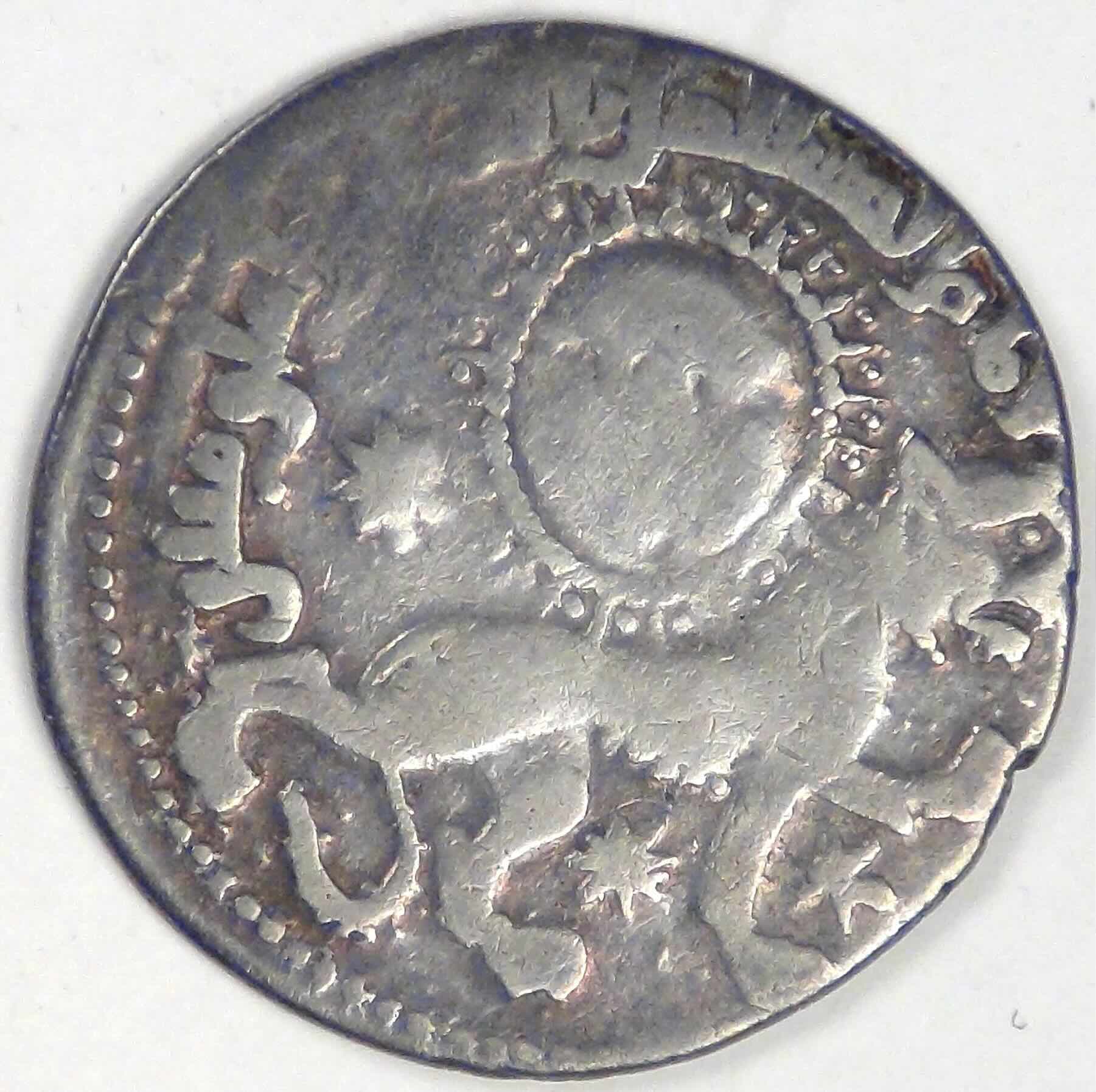
(Turns out there are cheetah depictions on coins made by Seljuks. Last image. You can browse coins from this page. It doesn't seem like anything about cheetahs in Seljuks literature. Which is insane. Beside dots it seems like they intentionally depicted a slim wraist but somehow people interpret it as a lion. Which crazy considering lions have hair around their heads in addition to other points.)
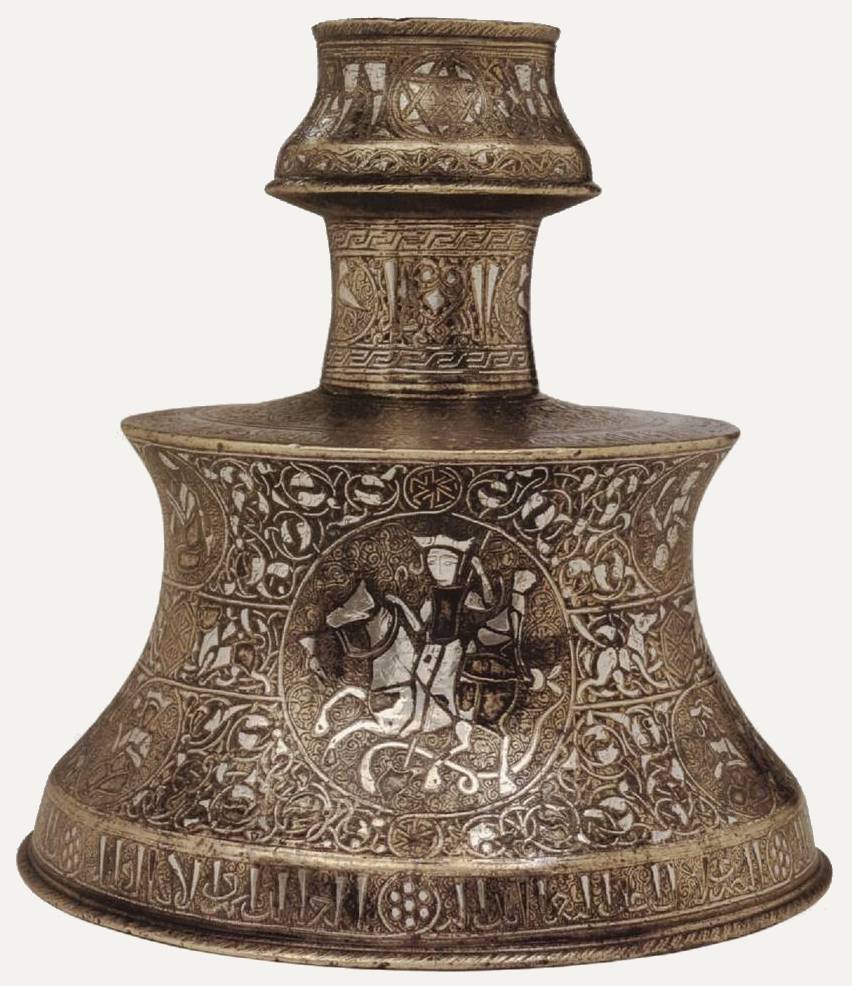
(It seems like Ayyubids, Sultanate of Saladin, also depicted cheetahs. On this inkstand it is claimed to be there are cheetah depictions. Also it seems like there may be coins. As it is mentioned in the source inkstand is kinda very elite item only few people use at the time.)
(Seems like Ilkhanate also had cheetahs on some coins.)
(There is this interesting thing. I have no idea how did they figure out it was a cheetah meanwhile cheetah never mentioned for whats on the coins. This museum page not mentions Seljuks probably result of some sort of U.S. agenda but according to publications it is from Seljuk era.)
(Akbar shah, had thousands of cheetahs at his stable. One of the most interesting known figure in the history. Hard to understand what he was up to for sure. He also had most sophisticated known language deprivation experiment in the history.)
(Sometimes text on the side of cheetah layered on top of a circle carried by cheetah in Seljuk coins with cheetah. This concept relating to universe referred by something like “arş” in Islamic literature. It is probably not coincidence that in “ars+lan” considered to mean lion in Turkish probably over this. However “as+lan” also used for lions and probably the right word as “as” means something like highness. The way cheetah is named has nothing to do with “as” unlike lion.)
(Obviously it seems like Western countries are trying to cover some things in ignorance of Turkish people and Muslims however it seems like everything is just confusing and complicated for everyone. Although there may be straightforward Turkish texts written in Syriac or Phoenician or other alphabets. If a text considered solved there isn't much of a questioning. Orkhun inscriptions. Definitely not resolved. But nobody really questions the current resolution despite how ridiculous it is. Maybe that did it on purpose because they think it would get destroyed if people know what was really written on it :D. It is not a genre many people are interested in and governments and all sorts of crazy people possibly involved.)
(Cheetahs have 19 chromosome pairs. Porcupines have 17 pairs. Porcupine is only related over crypto. The word crypt and Turkish word “kirpi” for porcupine have their meanings over same concept. Humans have 23 chromosome pairs.)
(Not directly related but recently they have found naturally mummified cheetahs in caves in Saudi Arabia. Carbon dating in a wil range from 4200 to 100~ years. Link)
(Feeline shaped incense burner - Mounted hunter with cheetah, Dish with cheetah on horse)
(There is a Turkish expression as “Alın Yazısı” considered to mean destiny. “Alın” means forehead. “Yazısı” is her/his/its writing.)
#1: ‘ğ’ in Ağ+la may be result of concatanetion of roots. A + ile/ıla => Ağla. Actually this also interesting as it seem like sound "ğ" related to connecting roots. Actually there is an Arabic letter that sounds exactly same and in kufic (oldest quran script alongside with hijazi) Quran manuscripts this letter is just connects pieces together. This only applies to middle end ending forms according to current literature but I don't think initial form is actually correct. "A" means something like connection. This kinda makes “A” = “AA” = “AAA”. This may not be the case for any other letter. Actually “AX” ≠ "AAX" but “AAX” = “AAAX”.