

Names given to many animals with tails carry a common element in Turkish. “Lan” suffix. It adds meaning of “with (something)”. It also sometimes used to connect consecutive events.
- Snake : Yılan. This one is simply means with a mouth. "Ye+mek": To eat. Also “Y” is just the shape.
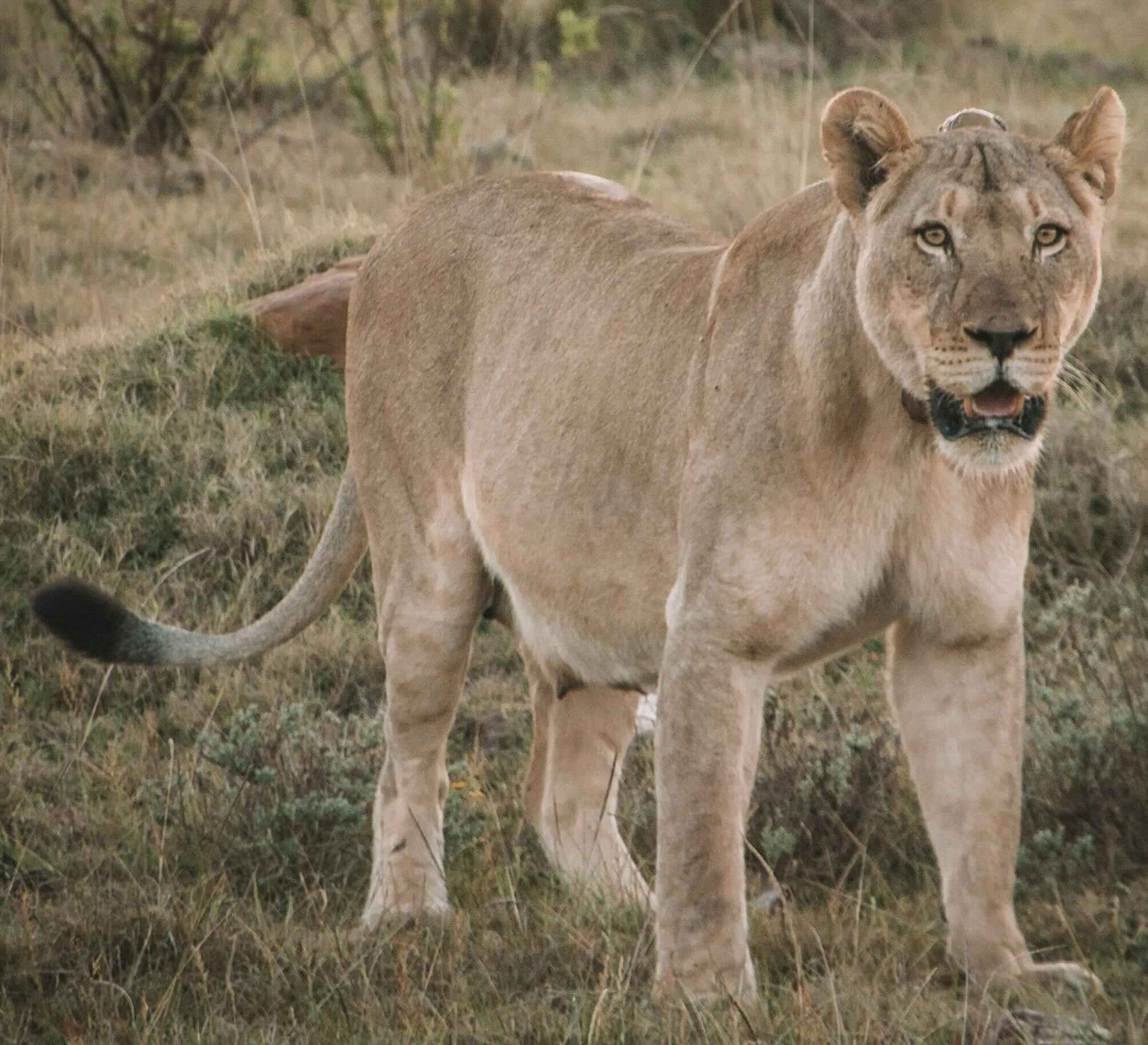
- Lion: Aslan. Because of the tassel at the end.
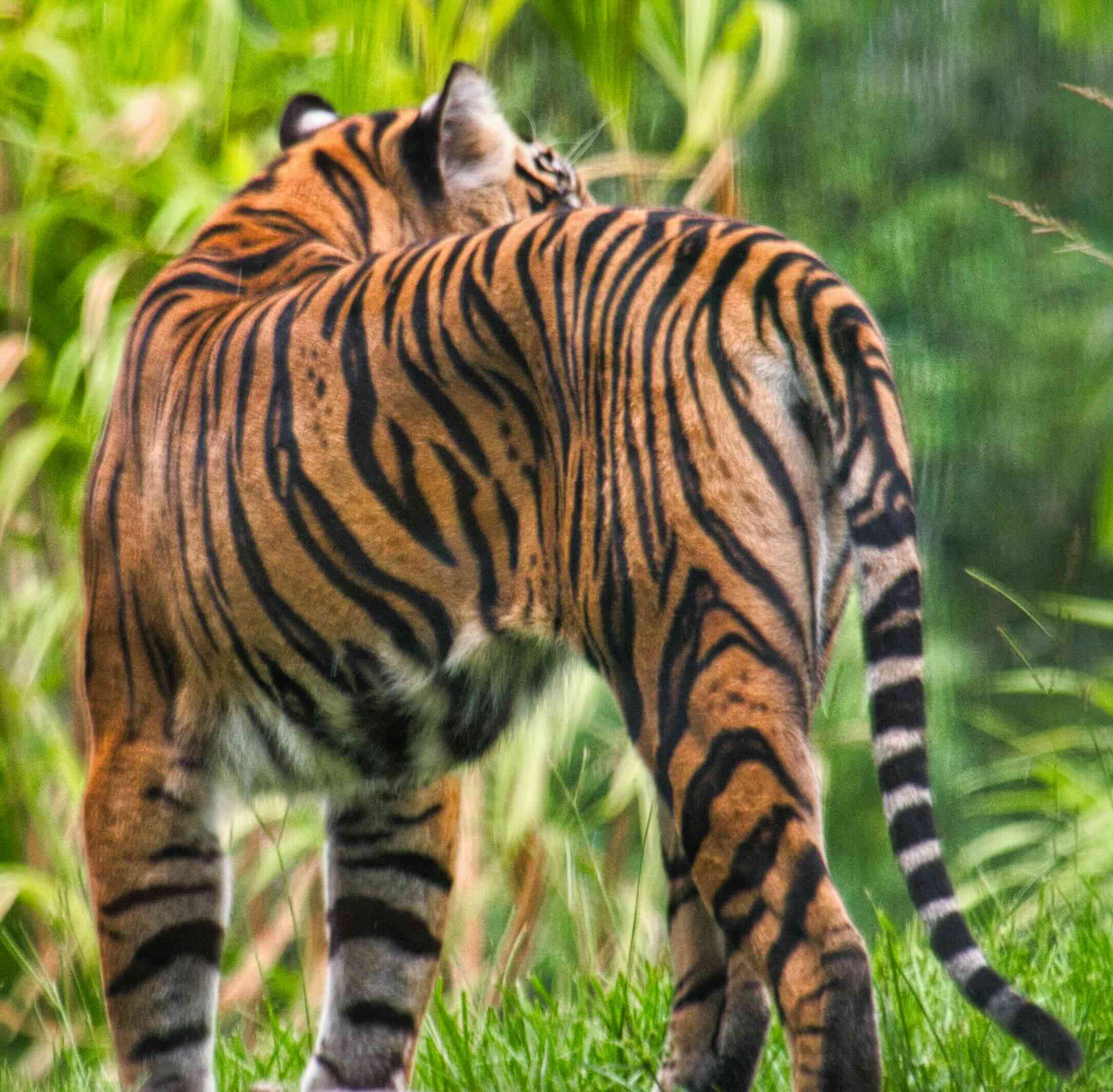
- Tiger: Kaplan. Because of colour change at the end of the tail. Because tip is covered and that is battern breaking. “kap+la+mak” means to cover in Turkish.
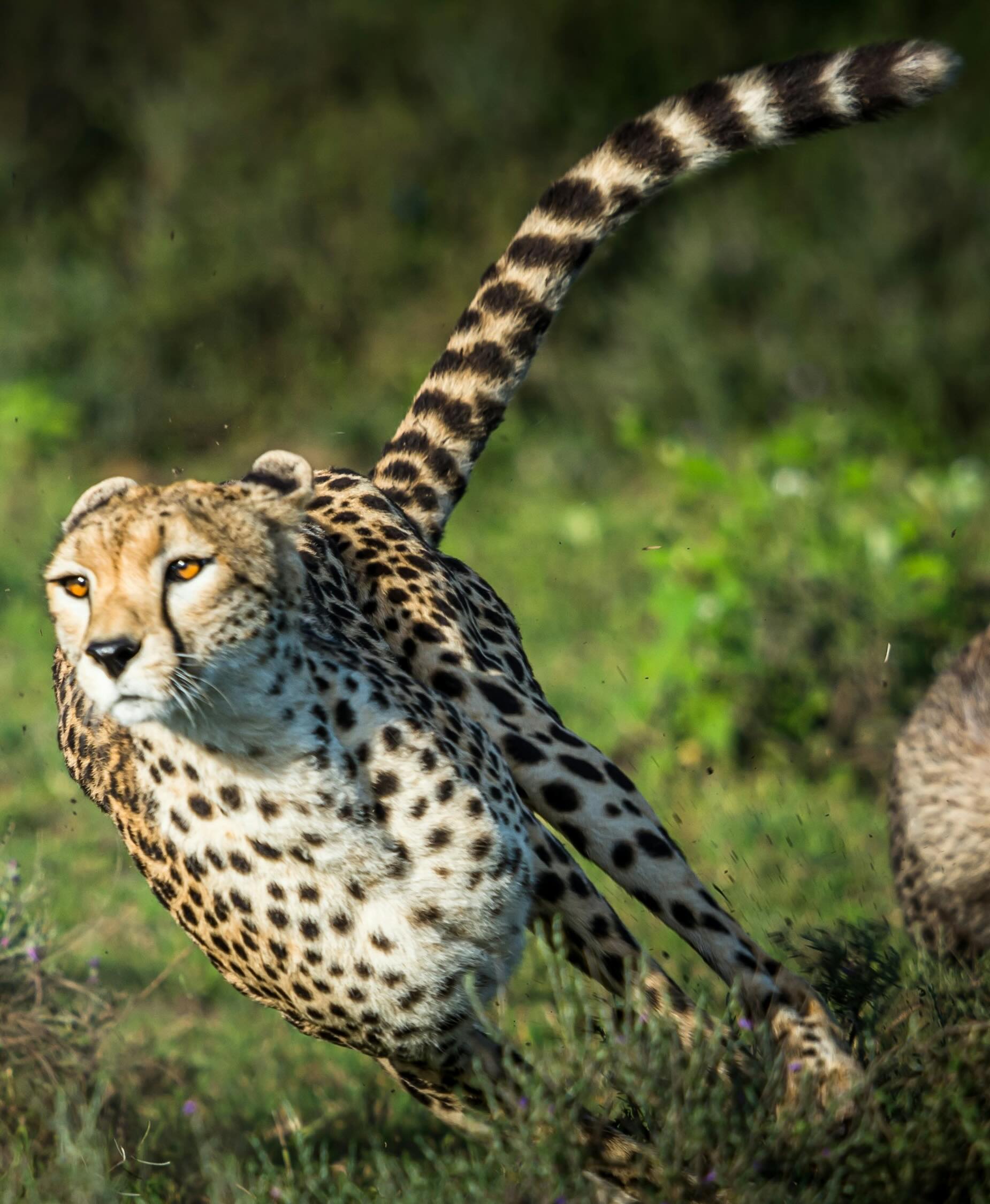
- Cheetah: (Alp|P)Arslan, Because of circles at the end of the tail. (Forgotten and possibly confused with the name for lion. It is not considered to mean cheetah. Cheetahs are not common. Rather forgotten. Historically it was the elite pet. Cheetahs have pattern that transition to rings from dots through the tip of their tail.)
There are also Hyena, “Sırtlan”, and gazelle, “ceylan”. (May be because horns. “Sırt” means back.) But these names seems like not related to their tails. In this articles we are focusing to animals with pattern braking tails at end of tail.
This naming convention is an artifact of Jesus, Moses or such persons. Because only a baby can recognise an animal lion as two object connected to each other. It seems like about overall pattern breaking through the tip of the tail. Wouldn't name an animal over difference at the tip of the tail. Long tail is also may be important so different tip recognized more clearly. In Islamic literature Jesus attested miracle of speaking as a baby.
¶ Some Historical Artifacts
- Snake is important symbol related to Jesus in Christianity especially in Gnostics.
- Moses throws his staff and it becomes a snake in Semitic literature and holly books.
¶ Some Other Info of Varying Significance
- Cheetahs were royal pets historically. Today less known but they are natural pets. Concept putting ring to finger related to marriage may be related to loyalty over a resemblence to circular marks at the end of cheetahs tail. The ring thing considered to originate from ancient Egypt. They were really fondof of cheetahs. (Mafdet)
- It should be emphasised that Cheetahs both have dots and those dots transitions to rings through the end of their tails. Small cats also can have ring marks at their tail but cheetahs also has dots and the transition in cheetah is fantastic. With all other aspects cheetahs doesn't give any chance to consider a randomness here. Tear marks. Loyal pet. (Humans are the only animal that cries. If it wasn't loyal they couldn't use it as hunting animal.). Fastest land animal. Patterns and the transition. There is a clear design here. Fastest predatory animal happens to be a pet that can hunt for you. It has marks on his face that resembles result of an act that can only done by humans. (Other animals may cry to lubricate their eyes but even then their tear glands are low in capacity.)
- Cheetahs just do not exists in Western literature including Turkey. In western literature cheetahs feel into same category with Leopards. Lions are also not known. Because of these reasons there is a confusion regarding names of these animals. However Anatolian leopard called “Pars” in Turkish. There are Turkish names Alparslan and Aybars likely were for cheetahs. Alparslan likely originates from Seljuks. Most likely “Arslan” was the word used by Jesus. This creates a confusing situation. Cheetahs and some other species of leos exists in Iran. The name Pers and Persia related. It is even possible that it is not over tha name of animal but rather due to a similarity (Read this).
- The concept of “arş” in Islamic literature relates to pattern found on cheetahs. Sounds very similar to “ars”. It seems like it was imagined as boundaries of a spherical universe.
- Snake. Starts with “s” which is also plural suffix in English. “Lan” is used as plural and collective suffix in Persian according to chatGPT.
- Augustus of Prima Porta, This may be unrelated to some names seems like had to be tracing to a Roman Emperor. Likely Augustus. Not that he named them. Jesus wouldn't see a tiger otherwise.
- "Kaplan” is common Ashkenazi Jew surname.
- Lion is very similar to “Lan”.
- "Lie" means both lay and deceit~. Turkish word for snake is “yılan” and “yalan” means lie. Just weird.