I wanted to create a final page with refined notes as I lost motivation mostly. (Just started. The creation of this page will take time.)
( I can't say I am entirely transparent. There will be always some advanced things I will be keeping to myself for now. And I mention various artifacts without assessing much of accuracy. Can't really say I know way beyond things I shared in this website though. And I am bored and also wasn't using Peganum Harmala which makes very hard to put effort to such ambiguous topic.)
¶ Notes By Letters
Will be referring to artifacts and various possibilities. Not because considering anything is necessarily the case.
¶ ح (Peg)
Concepts possibly related: Peg. (Turkish “Bak” relates to look. Possibly relates to focusing of eyes. “Bak” also used directly in reference to more general focusing. Actually F is not very distinct from P/B.)
Resembles shape: Hook. (Possibly associated with NC/NÇ sound.). Or maybe a beak. May be related to "X". Like Axle. Shape may be similar especially when something is sitting on it. When this letter follows each other it resembles “H”. In Arabic mainly corresponds to "H" sound.
Some other possibly related words: TR: Kıs, Parça pinçik ; EN: Pinch, hinge, paw; Persian: Pa, Pençe, Kanca. (P sound seems commonly linked to paw and foot.)
It is funny that Peganum harmala stars with Peg. Considered to be originating from Ancient Greek Peganon. I wonder if Paganism related. (There is more to this :D)
When it is not first letter previous part pegs on top of its back.

Axel F. is interesting name of choice. Maybe coincidence but Frog is also interesting. There is a Turkish word “Fır+la+mak” relates to jumping but more relates to a sudden jump like frogs do. It more relates to fast actions that goes beyond human eyes detection pace rather than ordinary jumping. The Turkish root “Fır” is pretty much the srart of the English word. The important detail is that “Fır+la” means action is done with “Fır”. It may refer to nature of action. Or more literally to legs. The Turkish Word is “Kurbağa". “Kur” actually can be a reference to legs over meaning of set up. ( Also first part of the word that interpreted as the name of Quran in Quran resembles Frog tongue. It is interesting because Frog not just jump like that also has similarly behaving tongue. “F” sound strongly correlated to fast action. In religious context relates to light. Like Fred, Ferdinant, Feridun. It is a common saying after somebody dies, in Turkish that “rest in lights” like “rest in peace”. "Pisi" is used to call cats. In azeri cats called “Pışık”. Işık means light in modern Turkish. "Barış" means peace. Similar to pars.) (I would say "Ç" relates to waves. P/B duality of wave and light. "F" relates to light. Not really. Just something comes to mind. This letter Bends. Light and Wave are bound to each other. "Çünkü"/"İçin" means because in Turkish. Potentially matches Arabic understanding. In state of light there wouldn't be a context maybe it is because every argument is result of duality. Or propagation. Even the gravitation propagates. Light considered to be slightly bending over to fields. Photon. These things has to be more nuanced. The Turkish word “ot” means weed/grass. It appears "T" sound relates to entanglement. Not sure if correct term. It is more like light in particle mode. “t” and “ç” sounds actually may change depending on the language. What is crazy that the letter likely associated with “t” sound in Quran. Considered the transitive variant of “Ç”. In this context maybe el participle is about transitivity. It makes next letter transitive. Also “the” in English. Word for horse is "at" in Turkish. In chess it moves in "L".) (Now that considering it is known universe is not locally real. What could be encapsulation concept. “Kum” means sand in Turkish. Like particles. “Kumar”, a popular Indian surname, means gambling in Turkic languages. “Kuran” in this context may mean something like over "ku". Maybe it is what renders "ku" ambiguous. Arranges particles. ) ("Kura" means lottery. Considered Arabic loanword.) (Kut+lu, Kutsal, “üs” means base in Turkish. Jerusalem is named "Kudüs". Not that it really means anything. “Kut” may mean alignment with "ku".)
"Çapa" means anchor and hoe. "Ç" letter is very similar to this one.
"Fly". "Pranga", “perspective”
This letters associated with seven as explained in this page: Historical Bakis figures. “Pençe”, “Paw”, “Pati”
¶ ں (Nun)
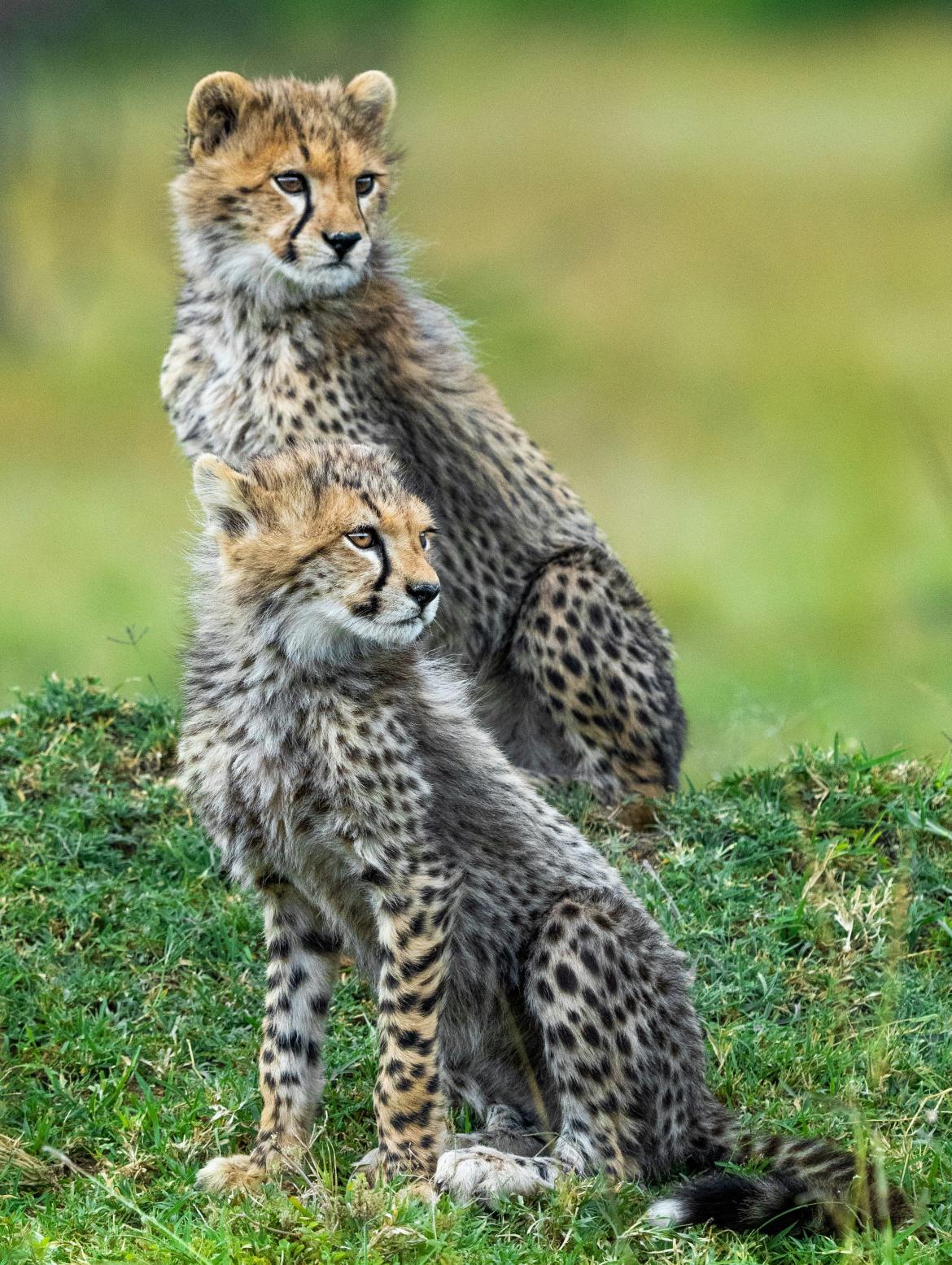
This letter is pretty interesting. English "Son" and Armenian “yan” (also means son.) relates to this. Turkish “Lan”. According to literature called “Nun”. Like Afternoon. Turkish “Öğ+len”. Because it connects morning and evening. You can see it on the face of cheetahs facing their cheeks. Cheek called “yan+ak” in Turkish. I am not saying it actually sounds or directly corresponds to anything. It appears there is a complicated situation. All “yan”, “san”, “lan” possibly related. It is ending letter. (Or isolated=not connected to any other letter.) It possibly relates to connection. “-an” associated with actor in Turkish. Like “oku+yan” means who reads. “oku+yan+lan” means whom with who reads. (Usage of lan in Turkish is interesting.)
“Son” means end/final in Turkish. Ironically In Quran verses end with this letter frequently.
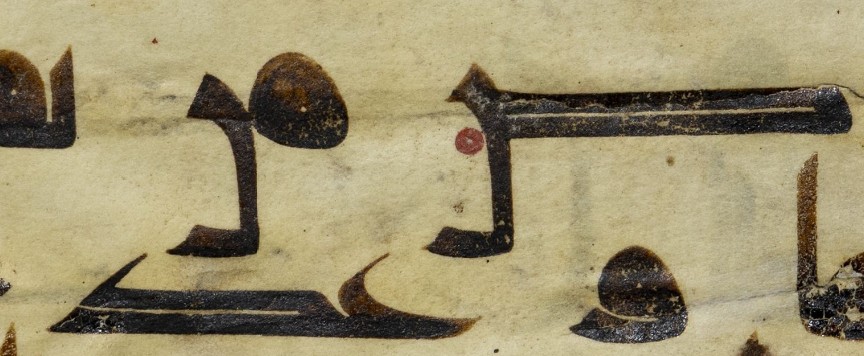
LanGuage :D (This letter absurdly dips below the line. Gauge appears to be especially historically used to refer rods that used to measure depth of water.)
Lion is also interesting. The Turkish word for cheetah confused with lion.
This letter is nuanced. There has to be a complicated situation. But as noon connects two sections of days. (Letter is named nun.) Turkish "Öğ+len". It should relate to that. "ile" means with in Turkish. And ılan/ilan/lan is similar.
Potentially associated with high pitched noise caused by interplanetary alien weapon. Explained in this page through the ends. Associated with the word “Ani” means sudden in Turkish.
¶ ا لــ
Al participle obviously relates to tear marks of cheetahs. Turkish “Ağ” is root of verb for crying. Forehead called “alın”. Persian word for cheetah is “yüz” means face in Turkish. Also means 100. “Hundred” also pretty much starts with "hand". Which is “El” in Turkish. (There is an interesting usage of "yüz" in Turkish. “Yüz+ün+den” means because of. Usually used to accuse somebody. Because of your face instead of saying because of you.) There is also Arabic loanword “surat” for face. In Turkish this pronunciation dedicated to face. “Sürat", another loanword, means speed but usually directly refers to high speed. Cheetahs are fastest land animals. This is probably not for this page though. I should create a second page. Words for 100 and 1000 seems like were manipulated in various languages like Persian, Turkish, Arabic… It appears like Jesus based version of Pollyanna. Although may not that common in European languages. It seems like a Middle East fantasy. (People believed and believe what people believe may change things. At least to some extent.) (It appears thousand is more common than I realize previously. It may be mostly about understanding of texts too optimistically. It seems like just a twin is likely possibility. There are also artificial artifacts for that.)
Above mentioned this may be related to transitivity, maybe. Turkish word for ass is "göt" maybe because it is used for sitting.("at": horse.) Root for attaching: “tak”. Got is past tension of “al”. “aldı”. Ironically Turkish word for six is “altı” and Jesus was probably sixth Bakis figure. (T/D are should be the same. You may feel like different because of the language you spoke. Although “T” may be slightly leaning towards “Ç”.). "Alt" means under. Implies there is something above. I am not saying these letters actually sounds “al” though. These are just historical artifacts probably not fit for “refined” page. Again. Later I should create a second tier page.
Tear Apart.
¶ لا (LAM)
Concepts possibly related: Ambiguity, Limitation/Restriction.
Possibly related to “M” sound. Or and also “An”. “An+lam”: Me an ing. (Can't say I am confident these are associated with this letter though.). In Turkish +m is suffix for first person singular. Like English me/my/am. (It is actually potentially a Buddhist infiltration. I am not sure the name Buddhist is correct. Actually it is "Turkish". It is really funny that stating a Buddhist infiltration in context of Turkish.). Mi/Ma/Me marks question in Turkish. As suffix it is kinda weird as it has both meaning like -ing and negative. There were a lot of updates in modern Turkish. In general confusing.
The word “men” used for restricting. Mana =~ meaning. These are considered Arabic loanwords.
Marry and Anna may be different pronunciations of same word.
There is an important artifact in how this letter written in old manuscripts. Apparently copiers confused and wrote Le and Vav instead of this. As this letter referred as “LAM”. Maybe wav was pronounced as M when texts were copying. It was probably "LA M". Similar to "La ilahe ilallah". The only M. This very meaningful name in context of Arabic speakers from that era.
¶ ع (Ç)
Resembles shape: Wave.
Possibly related: Turkish “Çiğ”; “İçin”, “Çün”; "Çene".
Some Turkish words: Çın+la (ringing), Çığ (avalanche), Çağ+ır (to call), Çarp (collide), Çakış (collision), Çırp (whisking), Çal (playing instrument or song), Çadır (tent).
As already mentioned above, the middle variant of this letter is likely associated with T sound. And the reason behind interchangeability of sounds among languages. Like Christian. There is also obviously some similarity between these sound.
"Chunk" sounds similar to Turkish “Çünkü” and it kinda has a semantic connection with Wave. Like comes in chunks/waves.
¶ ص
Sal ? (Spreading of water.)
This letter on isolation ends with Nun letter. This is common phenomena needs to be understood. There are similar situations for many verbose letters. It is like this letter is never isolated. For this it is almost like Nun starts with it rather than it is being isolated.
¶ ٮ (Bet)
Resembles a thread. Turkish word for it is “ip”. Linguistic Artifacts Related to Destiny and Pi
If Quran has enough resemblance with Turkish this is most obvious. Especially because more pronounced in Azeri. Also in Arabic it is mainly associated with b sound.
This is about final Be letter. Intermediate and beginning Be letters are not the same.
¶ ها
Lık? Premature idea. Probably not correct but possibly artifact.
I have to say this in initial form kinda resembles male cat reproductive organ. "Kat". (fold). There is no way it reaches anywhere they are totally faking it. (It may be working but still aliens are involved with cats anyway considering cheetahs.) Turkish: "Kedi". “Pisi”. (Fruits like apricot and peach also resembles. Apparently names in various languages are not coincidence. This one seems quite extreme.) Nowadays I have been actually eating peaches and apricot in small quantities. But wasn't able to realize.
¶ سا , س
Classical name is Sin/Şın.
Possible artifacts: Kişi (person), Kızan, Kuzen(cousin); Kışla (barrack), Kaş (eyebrow)
When you think about cousin today you may think about more specifically about it. It is like a generic term for relatives. Everybody is technically a cousin. Sounds like co-sin. Like a reference to selfish act of breeding.
Other possible artifacts: diş (teeth), tuş (key), tuz (salt); taç (crown).
Overlap: Kız (Girl) <=> Dişi (Female)
(Humans have 28-32 teeth. 4x7 - 4x8. Turkish 7 also past tense of ate. Exactly like English 8. Four is the multiplier. “Dört” in Turkish. Sounds similar to thirty. Dört+y = 4y = 30~, Turtle, Sıkıl+ma, Kısıl+ma, Scared, Dertli, “Kaplumbağa” or “Tos+bağa” similar to frog “kurbağa”)
Possibly relates to flow. “Akış”. Winter: “Kış”. Rain: “Yağış”.
When it ands with Nun last tick disappears or unites with the tick belonging to Nun (This considered isolated or ending form). But Nun still can without that happening.
In Turkish the verb volume down is “kıs”. “Sık” means tight or means squeeze. In some mushafs ticks are in equal and shorter instead of going down. (Interesting that squeeze pretty much sounds like sıkuiz.). (Queue: Turkish “Kuyruk”.)
This letter likely associated with "ş" sound. Maybe depending on tick count “ş” or “z” although I am talking about possibilities it is not like I have a grip on anywhere in the text. I am lazy person or many things here are not correct. But there are always many possibilities and it may be hard and confusing to understand by partially depending on pronunciation.
The word for humans in Quran ends with this letter. Correct or not I guess ancient people knew it was related to restriction and considered it was appropriate for humans. ( In context of aliens and humans. )
- Sakar/safari (سڡر ) (The name where the browser comes from also means something like hell but like a special word.) It appears like the word is “kısıtlı” means restricted directly in the modern Turkish. When you are restricted to be part of a party you can't act independently and that is the context for Quran. Before even thinking about Quran being Turkish or anything like that I thought this word was related to restricted because I was thinking where it means hell it would relate to restriction similar to safari. (The thing is that the Turkish word probably originates from that word :D so it is not like it has to be correct. Although it is not like an independent word. “kıstırıl+ma”: Being restricted by others. Although in modern Turkish we would say “kısıtlan+ma”) (Circular shapes associated with “t” sound and sometimes incorrectly.)
¶ Some Other Cheetah Notes
- Bardak is the main word for glass in Turkish. Although wine glass referred with a loanword “kadeh”. This word should be European influenced artifact especially considering it is with "d". Wine glass is obviously likely not a coincidence. Cheetah cubs. Cups.
¶ General Notes
- Regardless of if Quran is multi-language or not it probably contains lots of definitions. The word that pronounced as “Allah” possibly relates to “correspondence”. Considering how frequent it is. Also obviously over the same concept corresponding regarding the context. Like subject. Although that is somewhat confusing.
- Despite the amount of literature average humans exposed to today people are not adjusted to understand something literally. That is why parts where it sounds like angels are talking more likely to hold some truth because of the clearance of actors and vanilla nature of assumed characteristics. I am not saying this is the case though. I don't know if any part is actually understood close to actual. This verse was likely interpreted to be about how much to use of stimulant and painkiller (interpreted to gambling over “ease”) and the answer is something like less than enough. (This is absurdly based. I am just not gonna go to details.) This may be very late distortion.
- It is important to note that it is possible flawed understanding of Quran shaped languages in many instances and people had weird approach to it. I am not sure but for a regular text one misunderstanding can cause crazy situations. (Also aliens.) Irregular languages approaches to an understanding and there are always patches which may make that situation not possible. It is even possibly the reason llms works.