Bakış is the Turkish word associated with miracle related to speaking from birth or rather more accurately, speaking Turkish without learning from others. History is confusing it is not clear how many of such person. Jezus and Mozes are known popularly because they become religious prophetic figures and maybe it wasn't just about speaking from birth in case of them. However there seems to be also another came after Mohammed, based on the artifacts in Islamic literature. (Maybe he is this one.)
¶ What "Bakış" means?
Bakış refers to eye contact. "Bak" is verb. “Iş” is suffix relating reciprocality. Because it is exciting event for babies. Babies who develop languages skills early or isolated and weren't used to eye contact, were uttering this word in excitement. Because obviously it was the first word people who came contact to those babies hear, in some instances they referred babies with this title and then turned to a prophetic title stayed intact in Ancient Greek.
¶ Historical Artifacts related to "Bakış" and Baykuş (owl)
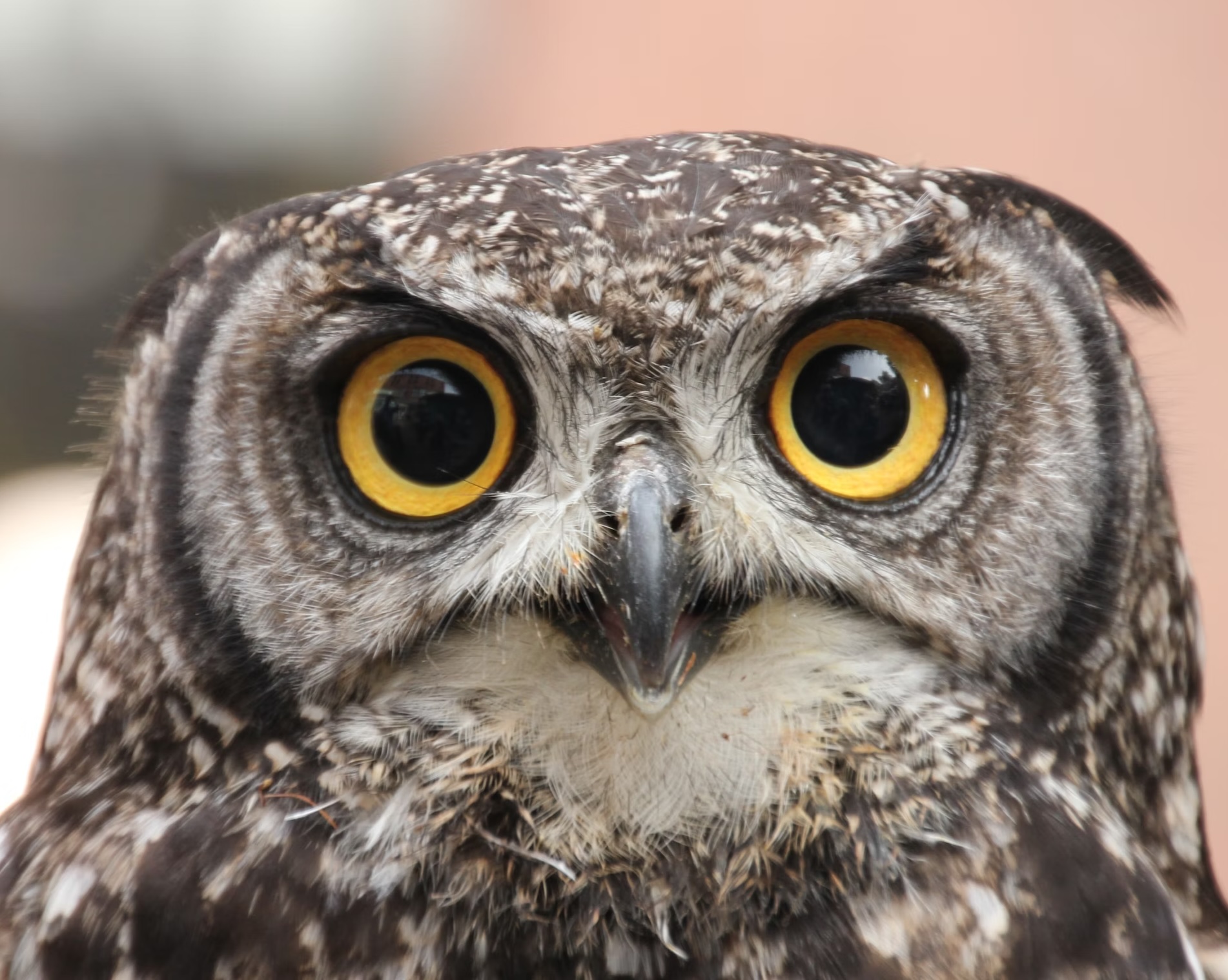
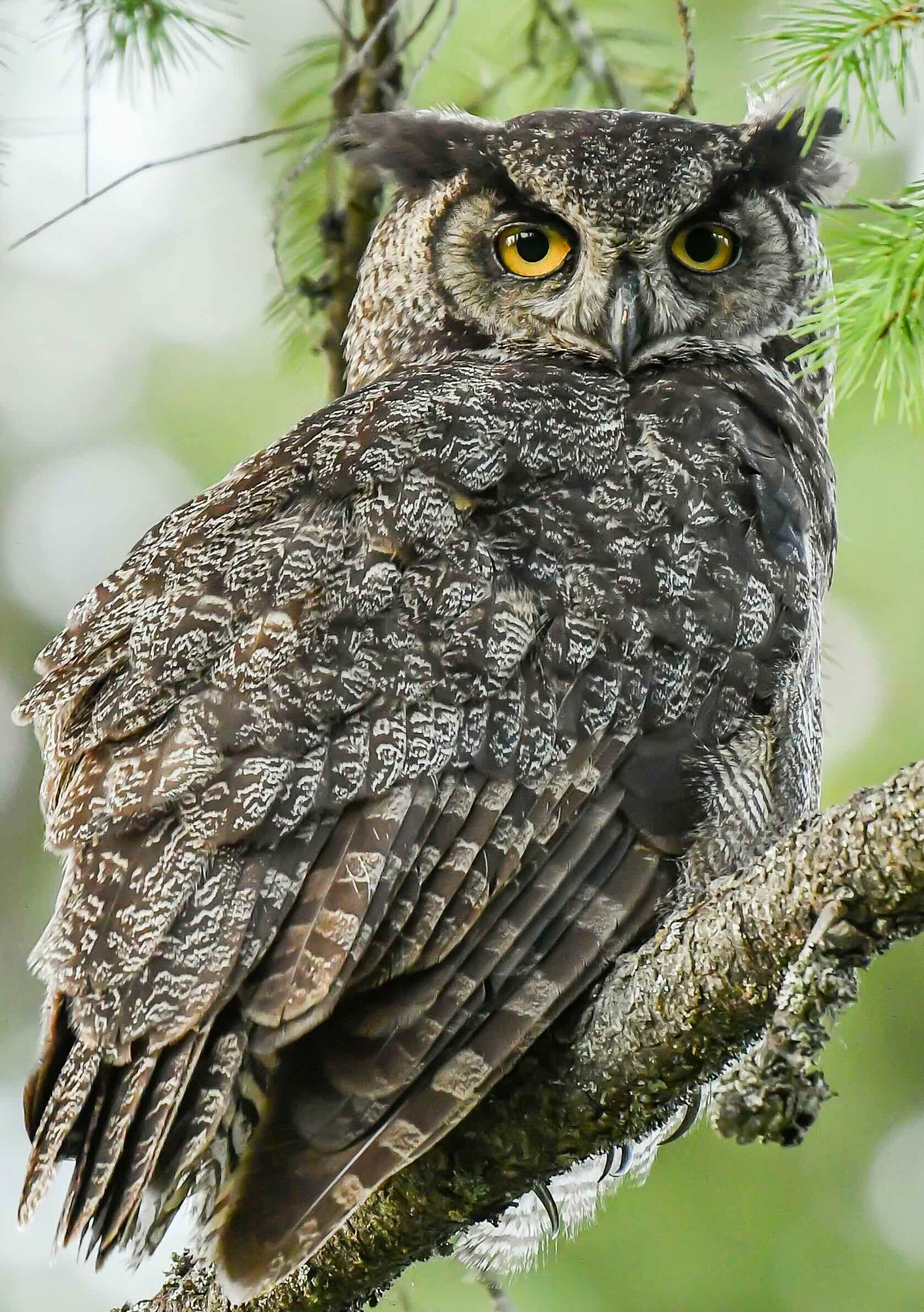
Bakis is Ancient Greek word relating to prophecy originating from this. Greeks don't have “ş” or “sh” sound. Actually “bakis” is how would they pronounce the Turkish word today. In Turkish, the word for owl is “baykuş”. Which sounds very similar to “Bakış” more importantly owls are pronounced with their looks ("bakış"). It is not speculated that these words are linguistically connected rather üzeries created a common context.
Also it is speculative but according to Heraclitus, babies in Paroah's language deprivation experiment uttered a word something like “bekos”.
The bird specific part of Turkish word for owl, “Bay+kuş”, ("kuş" just means bird) pronounced very similarly to Pi. ("B" and “P” are modern variants.) This pronounciation probably related to face structure. Symmetry and middle bridge without a seperator. Although there are countless species with different faces. This probably originates from Jesus like figure. "Pay" means share in modern Turkish. Like "This is your share" :D. It actually literally means ratio. Which is just insanity. Although may be modern but there are a lot of word deriving from it. Speculated to be originating a Chinese word that means “to hand out” (Link) I mean etymologs are kinda crazy. They realize a connection between pay and share but it only means share in a way that corresponds to ratio in Turkish. In Turkish it doesn't actually means English pay. It derives the meaning of distribution over distributed part ~= ratio. Just insanity. (This one seems like possibly directly mentioned in Quran only with distortions and Üzeries named currencies after “Manat” on purpose. 53:18-53:23. It may be placement. Because in any case around 10-13th centuries or before some people were able to understand it so adjusted terms just to make this realizable. Azer+Bay+Can, Manat. “Baycan” is not a conventional suffix when naming a country. In Turkey Turkish it literally means “Will overwhelm” Like to saturate. Like it is enough. This meaning is the word in Turkish in recent decades woman don't wanna get called. “Bay”: male, “Bayan”: Female. “Bayan” literally means the one that overwhelms. 53:21. There is also English "Buy". Though there are countless common words. Like "para" means money. Banknote with Khudafarin bridges. Latvian lats, this may be related to “lot”. It has meanings like share/portion, destiny. Some may not be statistically meaningfull enough. Though overall impossiblity to be a coincidence.) (If you read what is before 53:18 it is even crazier because it is interpreted as Mohammad observing something in horizon, descending…)
According to current understanding of Quran Jesus was able to shape clay and make it an alive bird. (5:110) Not that this is very specific. The theme is that he was able to do pretty much everything. It is just an extreme example. It is actually considered that words with meanings like “bad omens/fate” derived from same root as the word for bird. (Link). Owls are universally associated with bad omen. Although these words are never interpreted as owl. Generic word for bird. It is pretty much obvious they were interpreting it as owl when it is prefixed with definite participle. Crazy enough in some instances the word interpreted as “bad omen” actually used for Moses and other prophets as insult by others. (Almost in all instances.) When overall occurances intuitively considered it seems like this word may be relating aliens and Jesus showing miracles beyond capability of aliens. This idea of miracles beyond aliens capability actually present in Quran actually for Quran itself without much clarification verses considered miracle. The ancient phobia of being trolled by aliens presents itself all over the Quran in terms of counter ideas.
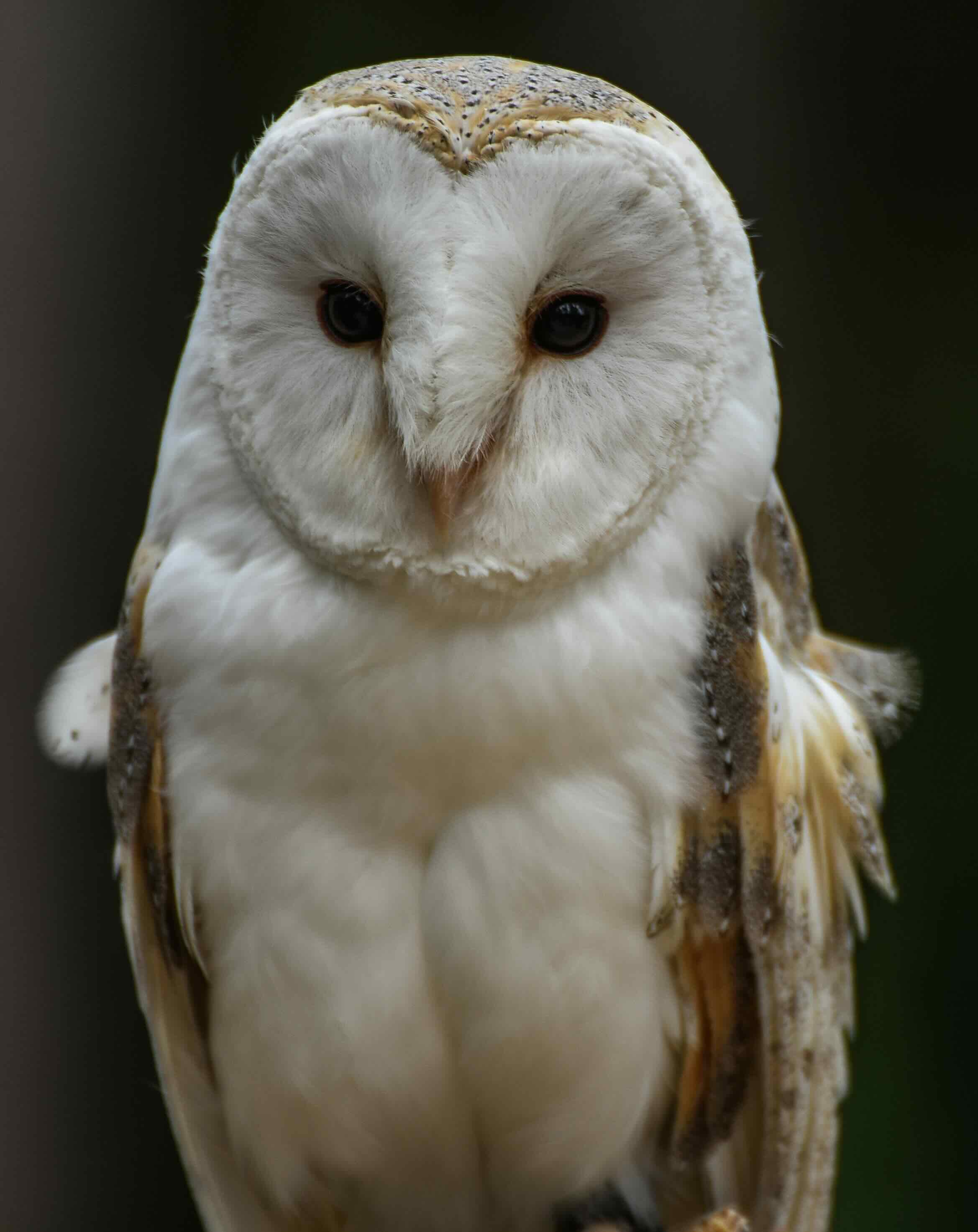
Also based on the head structure and dialects owls are also called “yapalak” in turkish. “lak” suffix is makes it sound like it refers to shape. “Yap” is just like opposite of “Bay” ("Bay(kuş)" is other word for it. “Kuş” means bird.). This situation indicates how shapes were connected to sounds. Owls have exceptionally weird head structure. And furthermore even the turkish word for structure "Yap+ı" may be originating from naming of owls. Furthermore the word “yapalak” may be associated with the miracle mentioned in Quran where Jesus makes owl out of clay. The word for “to make” is “yap+mak” in Turkish. “Jesus made and bird out of clay” would be translated as “Jesus kilden bir baykuş yaptı.” (For instance “yuvar+lak” means in circular shape. Deriving from root that means rolling “yuvar”. If "yapalak" were to be interpreted in the same way it would mean the thing that was made. Like artificially.) Beside despite how similar other birds to each others. Owls are all in various weird shapes. Some more like average bird but some birds are extremely weird. You have appreciate the extreme situation here even if it was placed to religious literature artifically obviously I am not saying you have to appreciate how jesus made absurd looking owls in various shapes with his own hand. Modern Turkish word for artificial is “yapay”. Which for some reason sounds like strongly resembles the first owl picture.
They were also referred with titles like “hand of Fatima” or “Hand of Mary” in Levant. Because they were speaking foreign language. And hand also means foreigner in Turkish. This situation also match with symbols exists in all three religions. The European side of story is fiction invented centuries later. (The word for hand in Turkish is “el”. Beginning of English word Alien also pronounced the same.) (It is more likely that this meaning actually attributed over them. The phrase probably originally means something like the single one from mary.) (There are even curse words in Turkish and not just in Turkish that wasn't originally an insult. In Arabic it doesn't seem like there is. Not hard to guess why.)
Basically Jesus's teaching was Turkish. There is no evidence of he had wrote a book or believed in what anybody claims. Or he was advocating others to speak the language he spoke naturally. The Jesus was probably not very social and likely under protection of Roman Emperors like Augustus. However he wasn't first nor the last. Jesus like figures came after him caused Turkish to spread in the region around Middle East and Anatolia. It was about the belief in Islamic literature regarding speaking as a baby miraculously caused this situation. This is not necessarily a miracle. Maybe it is possible that some genetic condition paired with certain environmental factors result in developing an independent language very similar to Turkish. The result of only sophisticated and widely known language deprivation experiment, done by Akbar The Great, claimed to result kids to not speaking any known languages. Or mostly not even making any meaningful sound in reference to first presentation of kids to council. According to literature back than it was common for various religious groups to expect kids to speak their languages. Obviously it is not the case that babies develop a common human language but the isolated experiment conditions may also have had limited natural language development by limiting observation of natural phenomenas.
Because literature was destroyed and distorted by religious political motivations, groups of people with good intent or groups of people named üzeries, placed artifacts everywhere in context of Islamic literature these efforts were extreme. Especially because Order of Assassins and connected parties and Russian Turkologs. Even story about Paroahs langauge experiment is potentially made up and wasn't meant to very direct on purpose. In the European part of story probably also many things to discover. To begin with the names "Jesus" pronounced as a Turkish word seem to originate from Quranic word for Jesus. And the expression "Jesus Christ" was also seems like intentional. Work of Max Müller seems like laced with pretty wild stuff. There are even direct sentences with ridiculous meanings. Because those books looks like obvious propaganda material and sentences structured in a way that can be understood in other ways. Reader understands what it is supposed to be written instead of the literal meaning. I choose the name Uzeries because of the similarity between name of Azerbaijan and mostly because of Turkish word of Peganum Harmala "Üzerlik".
¶ Other Historical Artifacts of Varying Priority
- In Turkish the word for mom is “Anne” which is same as Jesus's grandmothers name. It is possible that Jesus called his mom this word because his mom was also calling her mom by this name. This is possibly an exception because there are no fundamental words for parents.
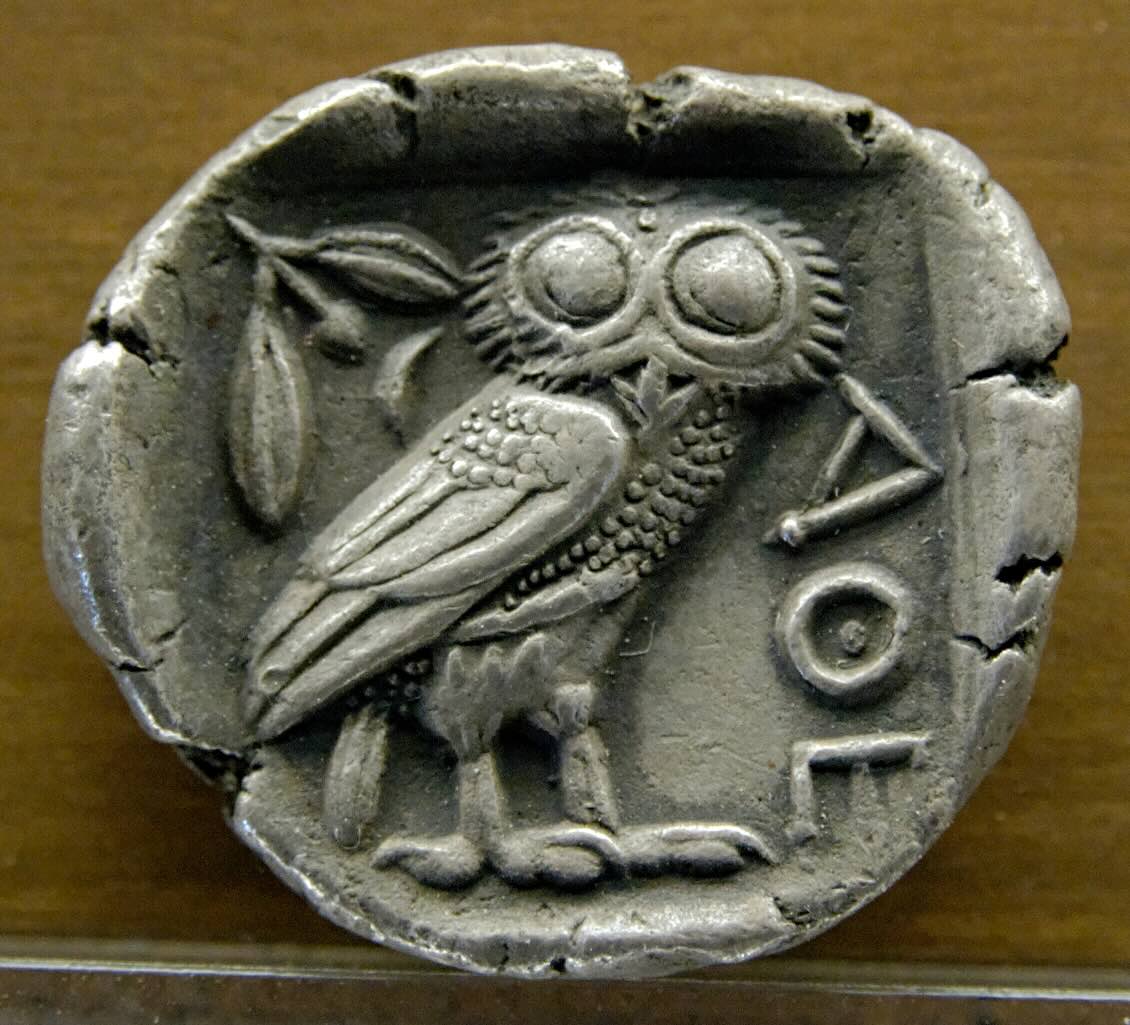
- Owl of Athena dates approximately around the same times with the word “bakis” and actually it is about what is means in Turkish. According to literature and you can see it on coin that it is about owls looks. Also Turkish word for owl is “Baykuş”, sounds very similar to “bakış”.
- Name of the Pakistan and also maybe Özbekistan may be originating from this. (Özbekistan is very late name but still may be over this.) It is assumed that “istan” is rather a suffix but this may be a confusion happened later although not necessarily. Religions originate from that region. It is like an Alien fantasy. It is frequently interpreted to be referred with “Tur” or El-Tur in Quran. Considered to mean something like mountain. Obviously this meaning originates from mountainous geography of the region. But it is today interpreted to some mountains in Arabian Peninsula. That is just insanely ridiculous. It is definitely not even something that originally means anything like mountain. Being mountainous is the characteristic of that region it is not like it is actually name of any mountain. Buddhist temples may be coming to your mind as you are reading it, that is it. The region obviously frequently mentioned as the origin of the religions. Like around Afghanistan probably.
- In Quran name of Jesus starts with a letter that resembles a bird on a branch. ("عٮسى"). This letter also used as mark and Hamza, The number 5 in Quran also called Hamsa. There are five fingers in one hand. As pointed they were also referred as hand of Mary. And “Hand of Fatima” sign also called Hamsa.
- “Owl” pronounced pretty much the same as Turkish word for son ( Oğul ). Son of Go:D.
- The word for crib when Quran refers to Jesus speaking from its crib is pronounced as “Mahdi”. Which means saviour in languages spoken by Muslims. And Turkish word for crib is “beşik”. Which derives from the word for five in Turkish “Beş”. Also sounds similar to "Bakış" and “Baykuş” (Owl). (Examples from Quran are endless because they are placed intentionally. Meanings and pronounciations are not necessarily accurate.)
- All Muslims actually believe that Jesus spoke as baby. Obviously he didn't spoke a ridiculous language like Aramaic. Which is probably total fabrication by Europeans. In Islam there isn't actually a Language named.
- Although Hamza is associated with this situation in Arabic. Five was due by then. And actually it was probably Sajjad which corresponds to six. Sajjad happens to be Fatima's daughters son. According to literature his family was killed when he was baby. Later probably Umayyads (Considered rigin of Arab nationalism.) forced the idea that it was Hamza to the literature. (Should be relating to one of Fatima's son. This may be wrong. Probably this one which is fifth child and there is debate about whether he died as result of miscarriage or in infancy. It is very plausable to refer a baby died in infancy or as result of miscarriage, as Fatima's fifth.) The praying mat Muslims pray called “Sajjada”. And the protrating position called “Sajda”. Associated with the number 6. Sajjad was already associated with six. Even the word “Sect” comes from it beacuse of the disputes after Jesus or actually about Jesus. Hamza is probably artifical by Umayyads. Although words in Hebrew and Aramaic very similar. They probably copied from Arabic due to strong contextes. Hebrew and Aramaic mostly artificially constructed under heavy influence of Arabic. Which itself semi-constructed after 6th century. Although numbers were probably common vocabulary. Probably less than 50% vocabulary even existed. And probably there wasn't any kind of naturally developed derivation system before. The situation of that Arabic was constructed probably totally wrongly based on Quran and other Semitic languages has extreme structural similarity pretty self-explanatory. Hilariously Sabbath is pronounced in Hebrew which means seventh in Semitic languages. Which is pretty foresighted for a religion from 2-4 thousands years ago. Even the Hasan Sabbah, founder of Order of Assasins still expecting the seventh at 12th century. Even in 17th century. Obviously Jews historically mostly meant other to Christians and Muslims. (And actually the term that Muslims use literally means others.) Modern Judaism probably not very really relevant. "Sabbateans" called Sabat+ay+cı+lar in Turkish. "Ay" means crescent in Turkish. Means followers of Seventh Crescent. It is pretty much like Christians. Although both terms slightly deformed by Europeans. Sabbateans seems like had purpose of trolling. Or some kind of counter activity regarding history writing.